

Trending Now
 First Time Riding the MRT or LRT? Your Easy Guide to Train Travel in the Philippines
 How the Salman Canal Could Impact Indian Logistics, if operational?
 Govt of India approves Integrated Transport & Logistics Authority to drive Multimodal Planning
 PCMC approves ₹85 Lakh for DPR of Maharashtra’s First e-RTS Pilot Corridor
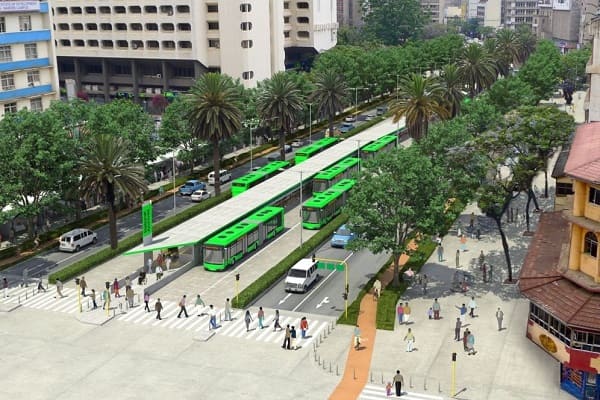 Visakhapatnam partners with Moscow to build Technology-Driven Urban Transport System
 Biofuels in Shipping: A Transitional Solution or Long-Term Strategy?
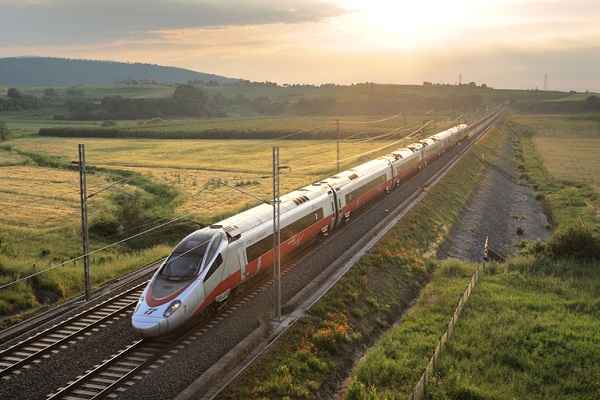 8 Reasons Why Trains Are Still One of the Best Ways to Travel
 Interview with Champak Panda, MD-Rolling Stock & Components, Alstom India
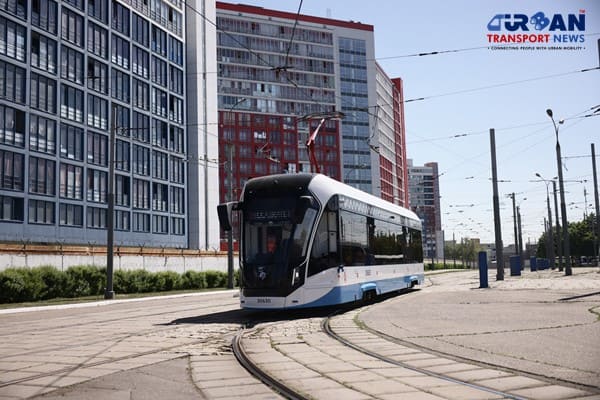 Beyond the Tailpipe: The Case for African Electric Mass Transit
 A Rejected Claim Is Not Always the End, What Car Owners Can Do Next?
Amtrak commits $130 Million for Rail upgrades on Northeast Corridor in USA
Krishtina D'Silva
Posted on: 2023-07-21 07:10:00
Viewer: 4,393
Comments: 0
Country: United States
City: North Creek
Washington, United States (Urban Transport News): Amtrak launches a new era of rail, prioritizing infrastructure enhancements on the Northeast Corridor (NEC). This summer, the railroad continues its annual track improvement work, investing over $124 million in a long-term effort to elevate performance and deliver a top-notch customer experience. Despite the temporary inconveniences, the benefits are substantial, including increased reliability and improved on-time performance.
The extensive improvement plan involves replacing 40 track switches in New York and the Mid-Atlantic, updating 25 miles of track in the Mid-Atlantic Region, and conducting over one million feet of surfacing work to support high-speed rail across the entire NEC.
"We're committed to delivering a new era of rail by modernizing Amtrak's fleet, revitalizing stations, and enhancing the customer experience," stated Laura Mason, Amtrak Executive Vice President, Capital Delivery, expressing gratitude for the cooperation of their partners.
Amtrak customers traveling on the Northeast Corridor until September 30 may experience minor delays in various locations throughout the New England and Mid-Atlantic Regions due to the ongoing track work. The newly adjusted train schedules aim to minimize conflicts with commuter agencies, and Amtrak crews are working overnight to further reduce customer impacts.
Apart from the track improvements, Amtrak remains vigilant about potential operational challenges during the summer months, especially with high temperatures. To ensure safety, Amtrak enacts temporary heat restrictions when needed, causing trains to operate at lower speeds than usual.
With contributions from Amtrak grants, federal programs, state and local entities, and Amtrak revenue, this substantial investment will continue to modernize the rail system and create a more efficient, reliable, and enjoyable travel experience for Amtrak customers.


Krishtina D'Silva
Krishtina D'Silva is working with Urban Transport News as Special Correspondent (International News division). She posses a Master's degree in Journalism from New York University and responsible for covering updates from the urban mobility