

Trending Now
 Beyond the Tailpipe: The Case for African Electric Mass Transit
 A Rejected Claim Is Not Always the End, What Car Owners Can Do Next?
 Monsoon Bike Insurance Guide: Covers That Matter before the Rains Begin
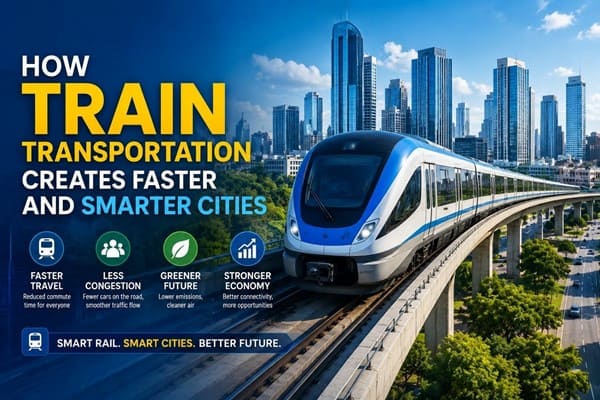 How Train Transportation Creates Faster and Smarter Cities
 PM Modi inaugurates Noida International Airport, Boosting North India’s Multi-Modal connectivity
 Things You Can Do While on Long Train Rides: Stay Productive, Relaxed, and Entertained
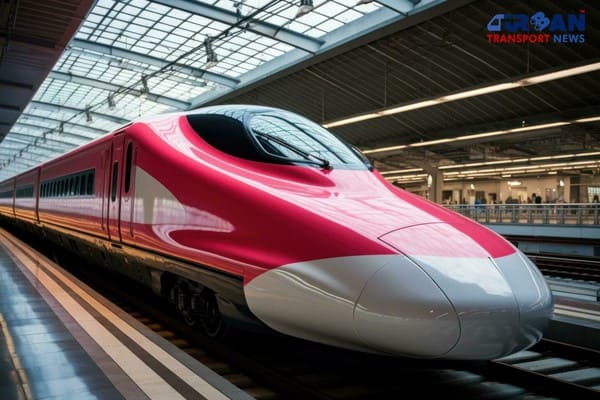 Rail Chamber launches 2026–27 National Membership Drive to strengthen Asia’s Railway Ecosystem
 North-South Commuter Railway (NSCR): Modern Train Network Connecting Luzon Island
- India launched Bharat Taxi Service as First Cooperative-Owned Digital Mobility Platform
 India places World’s First Live Commercial Order for Hyperloop-Based Cargo Logistics
India's shared mobility business is likely to reach $42.85 billion by 2027
Vinod Shah
Posted on: 2022-03-03 14:35:00
Viewer: 2,741
Comments: 0
Country: India
City: New Delhi
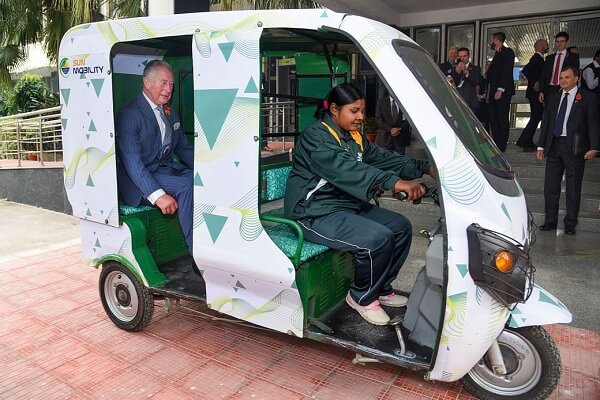
New Delhi, India (Urban Transport News): As per recent study conducted by Frost & Sullivan on Indian shared mobility industry, it has been finds that rapidly increasing urbanization in the country presents an opportunity for an integrated, multimodal transport system. Shared mobility presents promising solutions to meet India's increasing demand for transportation services. With people relying on different modes of transportation since the outbreak of the COVID-19 pandemic, new business models of shared mobility solutions are gaining momentum. Due to this, the gross merchandise value (GMV) of Indian shared mobility is likely to reach $42.85 billion by 2027 from $11.05 billion in 2021, expanding at a compound annual growth rate (CAGR) of 25.3%.
"The pandemic disrupted the traditional business model of the shared mobility market in India. Multiple factors, including familiarity with shared services, strong digital infrastructure, and a vibrant entrepreneurial culture, will drive India's push to meet the booming demand for transportation services," said Chanchal Jetha, Senior Research Analyst, Mobility Practice, Frost & Sullivan.
Of the various shared mobility modes, we expect corporate mobility and ride-hailing to drive growth in India. Companies like Yulu, Ola, etc., are considering new use cases, such as partnerships with eCommerce and food delivery services. The move will reduce dependency on traditional revenue-generation models and expedite the shared mobility market growth.
"Factors such as the end of travel bans, the inclusion of electric vehicles in fleets, and increasing partnerships with OEMs will boost the sector. Increasing traffic congestion and carbon emissions with the growing population size and density also creates the need for sustainable, accessible, safe, and reliable shared mobility fleets," Jetha added.
Growing urbanization, electric vehicle (EV) integration, and rising disposable income signal growth opportunities in the Indian shared mobility market, presenting lucrative market prospects. Key players should:
- Prepare for service flexibility, including integrations with new business avenues.
- Focus on including EVs in their fleets to manage overall operating costs and boost electric mobility.
- Integrate with public transit modes to reduce traffic congestion and enhance the rider experience.


Vinod Shah
Vinod Shah is a Transport Journalist, Urban Planner and Communication Expert. He possesses over 15 years of experience in Editorial, Media and Corporate Communication in the Urban Transport sector.