

 Beyond the Tailpipe: The Case for African Electric Mass Transit
 A Rejected Claim Is Not Always the End, What Car Owners Can Do Next?
 Monsoon Bike Insurance Guide: Covers That Matter before the Rains Begin
 How Train Transportation Creates Faster and Smarter Cities
 PM Modi inaugurates Noida International Airport, Boosting North India’s Multi-Modal connectivity
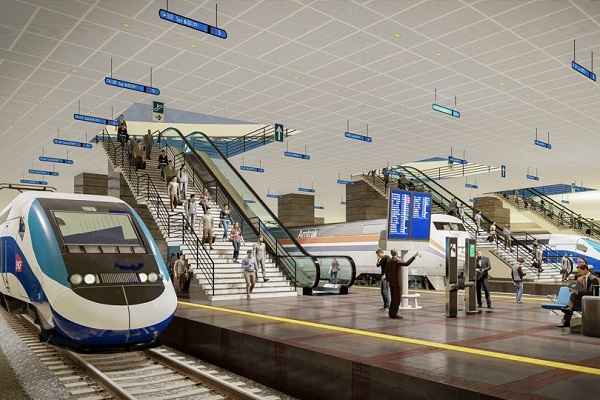 Things You Can Do While on Long Train Rides: Stay Productive, Relaxed, and Entertained
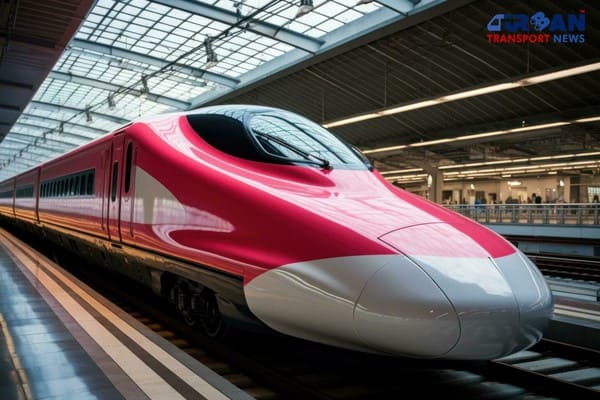 Rail Chamber launches 2026–27 National Membership Drive to strengthen Asia’s Railway Ecosystem
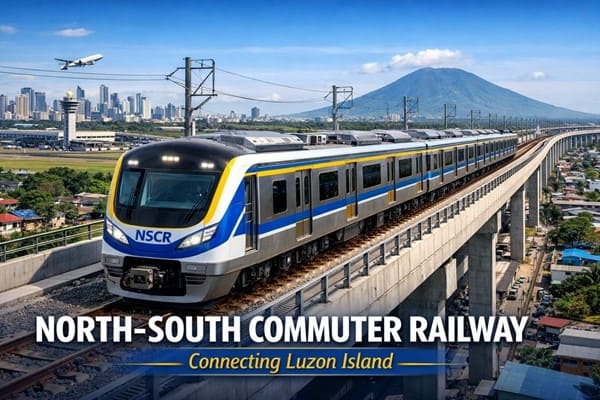 North-South Commuter Railway (NSCR): Modern Train Network Connecting Luzon Island
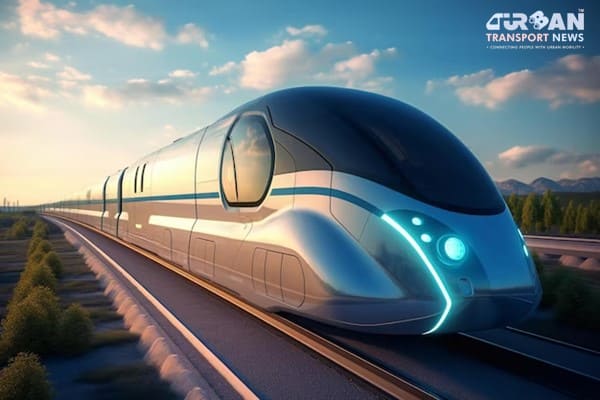 India places World’s First Live Commercial Order for Hyperloop-Based Cargo Logistics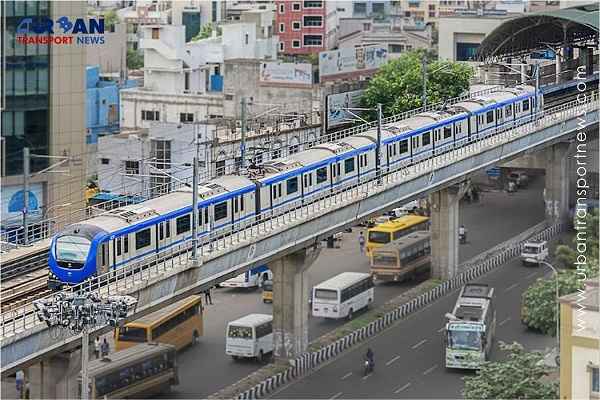
Usually, ToD policy is restricted to metropolitan cities only. However, the state is planning to implement it across Tamil Nadu as new metro rail projects are being taken up in Madurai and Coimbatore. The detailed project reports for the metro rail system is being prepared for cities like Tirunelveli, Salem and Tiruchy. Sources said the intent is to encourage affordable housing, rental housing, student housing and hostels within the ToD zone.
The policy will apply to all urban areas in Tamil Nadu to encourage compact development and to allow densification around transit corridors and mass rapid transit systems within potential areas in and around present and future public transit modes - metro rail, mass rapid transit system (MRTS) and other transit corridors. Such areas shall be declared as Transit Oriented Development Zones or Transit Corridor Development Zones (ToD / TCD). The ToD policy will only be applicable in the areas which are notified as influence zones, sources said.
According to sources, based on recommendation of experts in World Bank, the zones have been delineated. These include the square area having a side measuring 1,500m around the metro or MRTS stations, with the centre of the square lying exactly at the station building; the sites directly abutting roads with Right of Way of 30m and above in which the metro or MRTS alignment passes through or the arterial roads notified by government or planning authorities or development authorities and sites falling within the influence zone of 750m on either side of the Transit Corridor or Metro and MRTS alignment.
"ToD is often mistaken to be more about FSI. ToD is not about buildings but about people - creating people-oriented cities that makes everyone’s life better. There is no TOD without T, i.e., public transport. And people won’t take public transport unless it is available at a short, safe and comfortable walk away. For ToD, buses should be available everywhere to go anywhere anytime without draining your pocket. TN government must first invest in more, better and faster buses through priority lanes, especially where road space is tight,” said Shreya Gadepalli, founder and managing trustee of Urban Works.
Former Anna University professor of urban engineering KP Subramanian said ToD is an excellent concept to promote public transportation and non-motorised transport. Important transport terminals are upgraded as vibrant hubs through high density, high rise and mixed use developments with last mile and first mile connectivity.
“However, it is not that easy to convert the policy into practice. Intensification of the MRTS corridors through a higher FSI around the stations was initiated in 2012 itself. However, it has not taken off. Same is the fate with densification of the metro corridor. It requires lots of resources, manpower, financial and professional skills and political will. It has to be taken up in phases. Unveiling policies is easy but difficult is the realisation,” said Prof Subramanian.