

Trending Now
 PCMC approves ₹85 Lakh for DPR of Maharashtra’s First e-RTS Pilot Corridor
 Visakhapatnam partners with Moscow to build Technology-Driven Urban Transport System
 Biofuels in Shipping: A Transitional Solution or Long-Term Strategy?
 8 Reasons Why Trains Are Still One of the Best Ways to Travel
 Interview with Champak Panda, MD-Rolling Stock & Components, Alstom India
 Beyond the Tailpipe: The Case for African Electric Mass Transit
 A Rejected Claim Is Not Always the End, What Car Owners Can Do Next?
 Monsoon Bike Insurance Guide: Covers That Matter before the Rains Begin
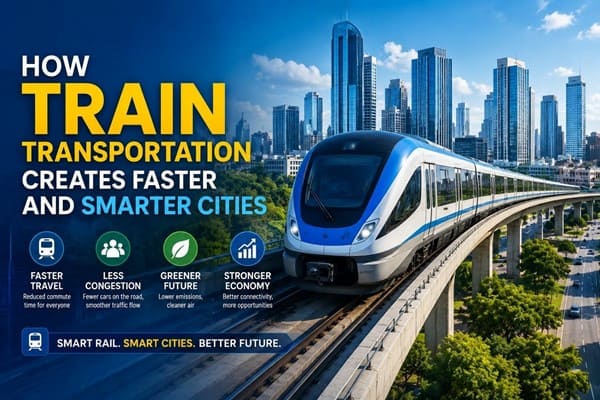 How Train Transportation Creates Faster and Smarter Cities
 PM Modi inaugurates Noida International Airport, Boosting North India’s Multi-Modal connectivity
Jaipur Metro receives CMRS safety certificate for opening of Phase 1B
Anushka Khare
Posted on: 2020-03-21 08:32:22
Viewer: 2,428
Comments: 0
Country: India
City: Jaipur
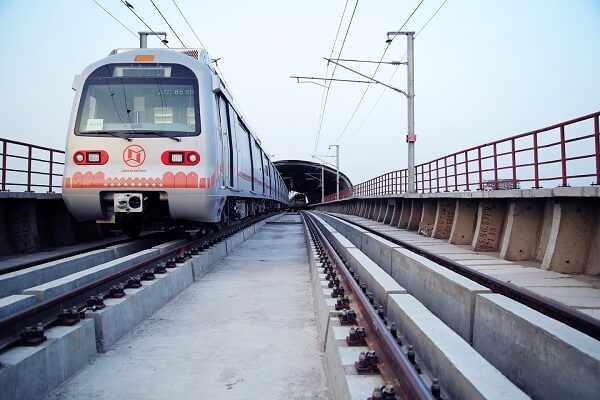
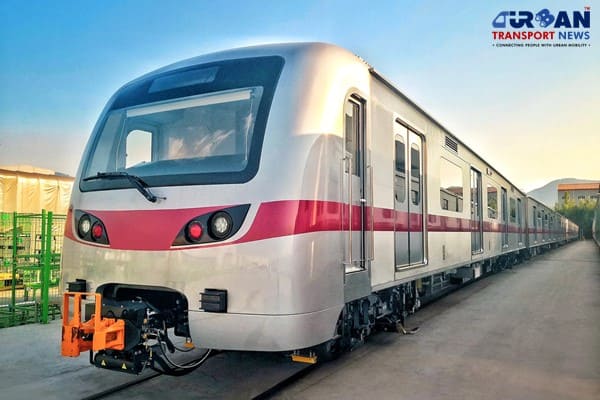
Jaipur, India (Urban Transport News): The Jaipur Metro Rail Corporation Limited (JMRC) today received a conditional safety clearance certificate from the Commissioner of Metro Railway Safety (CMRS) for the opening of the 2.4-km underground section between Chandpole and Badi Chuapar. This section is part of Phase 1B of the Jaipur Metro Rail project. CMRS RK Sharma has recently conducted two days safety inspection of Phase 1B along with his team whereas the officials of Delhi Metro Rail Corporation (DMRC) have also accompanied him.
After finding everything okay, CMRS has issued a safety clearance certificate along with a speed certificate from presently 60 km per hour to 80 km per hour. CMRS has imposed total 65 conditions in his safety clearance certificate. JMRC will announce the inauguration date of inducting commercial run of metro trains on this underground section shortly.
Sources said that due to the COVID-19 issue in the country, the opening of this section may get delayed. Phase I of Jaipur Metro Rail project which comprising Phase 1A and 1B covering a total distance of 12.07 km. Out of, 9.63-km long Phase 1A corridor is made operational on June 3, 2015, after spending Rs 2,023 crore. The total cost of Phase I have been estimated to Rs 3,149 crore.
Phase 1B was missed several deadlines due to some issues including a stay by the Apex Court on mining sand, the poor performance of the Phase 1A corridor, the shifting of seven temples and the design change of two underground stations.


Anushka Khare
Anushka Khare is a Post Graduate in Journalism from Makhanlal Chaturvedi National University of Journalism and Communication, Bhopal (MP). She covers stories and updates from India.