


Trending Now
 PM Modi inaugurates Noida International Airport, Boosting North India’s Multi-Modal connectivity
 Things You Can Do While on Long Train Rides: Stay Productive, Relaxed, and Entertained
 Rail Chamber launches 2026–27 National Membership Drive to strengthen Asia’s Railway Ecosystem
 North-South Commuter Railway (NSCR): Modern Train Network Connecting Luzon Island
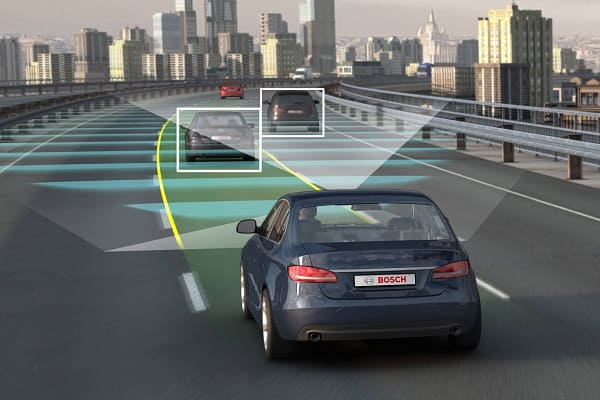 India launched Bharat Taxi Service as First Cooperative-Owned Digital Mobility Platform
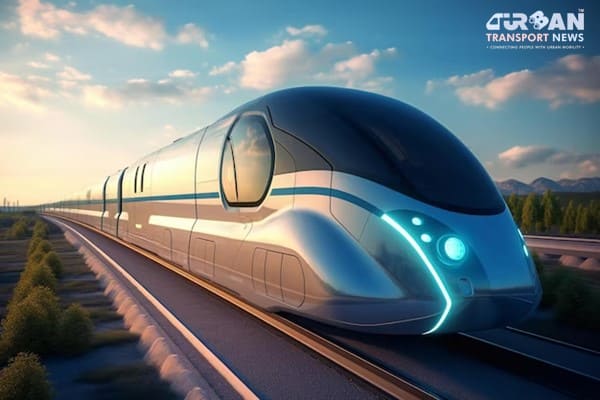 India places World’s First Live Commercial Order for Hyperloop-Based Cargo Logistics
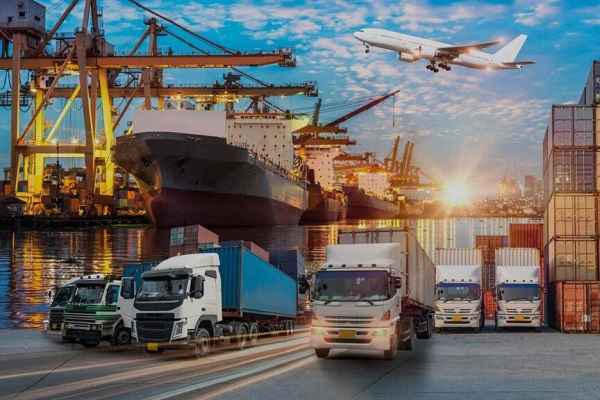 How Weigh-in-Motion Systems Are Revolutionizing Freight Safety
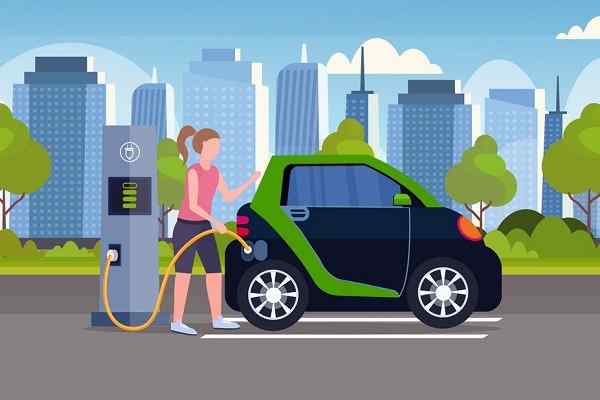 Women Powering India’s Electric Mobility Revolution
 Rail Chamber Launched to Strengthen India’s Global Railway Leadership
 Wage and Hour Enforcement Under the Massachusetts Wage Act and Connecticut Labor Standards
India needs to increase FAME II subsidy, not enough for transition to electric mobility
Anushka Khare
Posted on: 2018-10-23 12:28:17
Viewer: 1,307
Comments: 0
Country:
City:
New Delhi/Urban Transport News: While environmental experts consider electric mobility (electric vehicles) to be economically viable, the proposed investment of Rs 5,500 crore by the government over the next five years for faster adoption. As the cost of transition by 2030 would be much higher than estimated but the manufacturing of hybrid and electric vehicles (FAME) may not suffer.
The FAME I round of bidding, a price of below Rs 60 for a kilometer of travel by electric bus has been discovered, which proves to be economically viable. But the government is yet to work out the cost of full transition — from fuel-run vehicles to electric vehicles — and that remains an issue, said Tata Energy Research Institute (TERI) director general Ajay, Mathur
The first phases of FAME bidding have been on the basis of own and operate.
An inter-ministerial group has finalized the second phase of FAME with an estimated investment of Rs 5,500 crore over the next five years to provide subsidies to all types of electric vehicles including two-three- and four-wheelers in order to promote green vehicles and check pollution.
Phase 2 of FAME envisages covering a wider range of EVs providing subsidies in the range of Rs 1,800-29,000 for battery operated scooters and motorcycles.
Mathur said under FAME 1, only two companies — Tata Motors and a Chinese company BBD — participated in the bids and not many companies are expected to participate in the second phase of FAME since “most global automobile manufacturers are pushing their own agenda, which is an impediment to complete the transition towards electric mobility. Rest of the automobile majors are only interested in launching hybrid large sedans, which has a limited market in India”, he said. “In India, only 20% of cars that ply are priced above Rs 10 lakh and cars account for only 20% of the total vehicles sold in India,” Mathur said.
So, manufacturing electric or hybrid cars would not address the problem but public transportation that should be aimed at switching over to complete electrification.
Transportation as a whole consumes 70% of total diesel and 99% of total petrol and contributes 51% of the pollution made. Public transportation makes 79% of all trips in India, Mathur said, adding that transformation from diesel to CNG has added nitrogen oxide in the air in place of particulate matter.
The Union power ministry has asked all state distribution companies to evaluate a business model to set up charging stations for electric vehicles.
CESC MD Debashish Banerjee said the power utility firm was evaluating a business model for putting up charging stations at Rajarhat in West Bengal.


Anushka Khare
Anushka Khare is a Post Graduate in Journalism from Makhanlal Chaturvedi National University of Journalism and Communication, Bhopal (MP). She covers stories and updates from India.